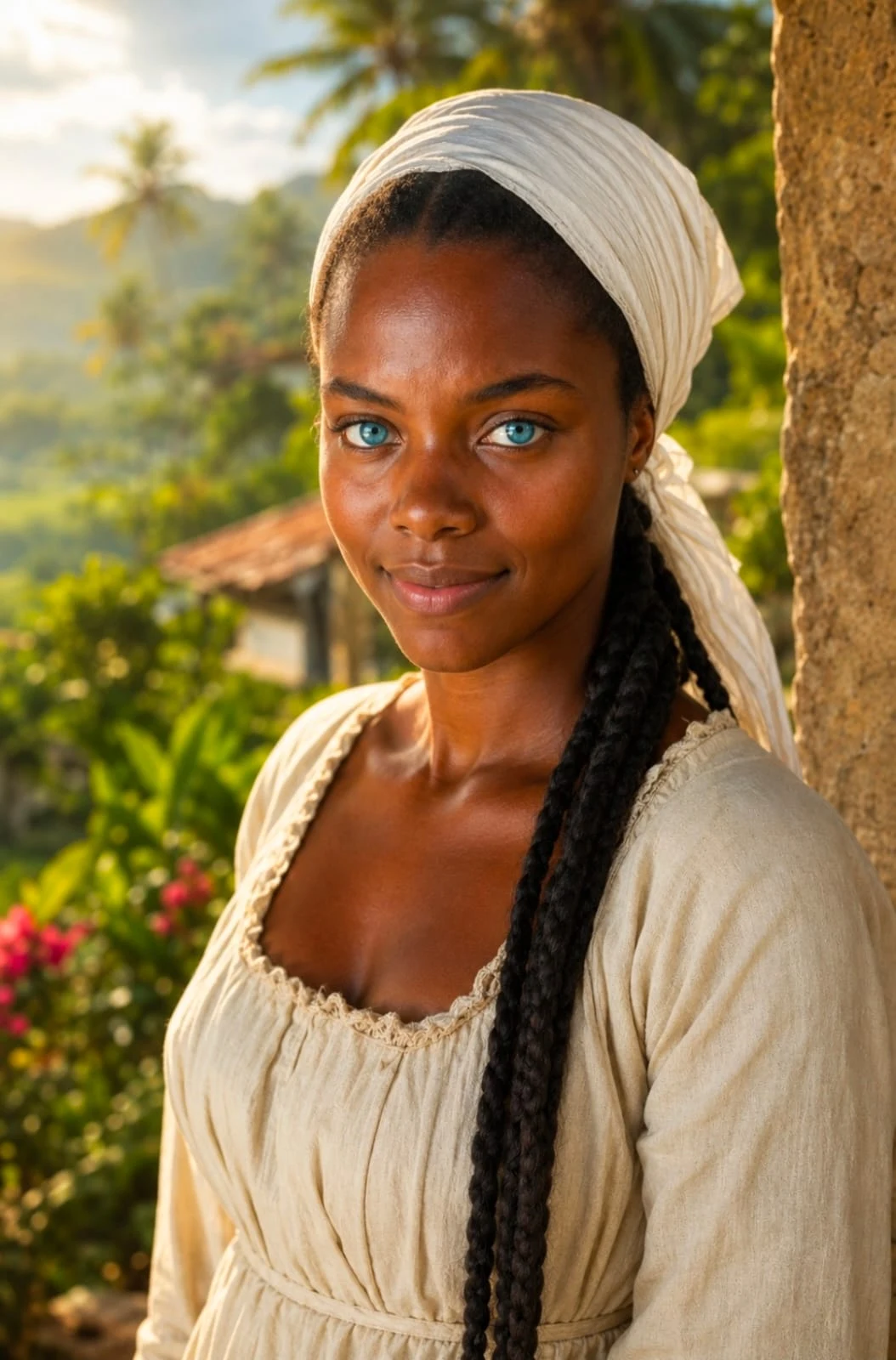
Muxima
A voice that stops a room. A woman who teaches herself to read within the empire, and whose song reaches beyond her lifetime.

A near-historical epic · Elisângela Bearigo
Before the ships,
there were kingdoms.
African greatness. An unbroken spirit.
The homeland that loses no one.
Greatness → rupture → return
A story of greatness stolen,
and greatness reclaimed.
Aruanda’s Children begins in the richness of African life before the chains: the farmer-healer in his Angolan village, the queen leading ten thousand into battle, the markets and the music and the ordinary love of an ordinary day.
Then the ships come.
Across a deliberately compressed century of Brazil, their children are scattered. A woman with a stolen voice is masked in iron. A captured noblewoman turns a coffee cup into a weapon. A kingdom of the free rises in the forest and calls itself Little Angola.
Through every rupture runs one certainty: Aruanda, the homeland of the dead, where the stolen return to who they truly were—and which loses no one.
Rooted in real history and the living faiths of the African diaspora, this near-historical epic follows a braided ensemble across nations and generations. Its resistance evolves from the spear to poison, from a map braided into a child’s hair to the fighting-dance hidden inside a game, from a free kingdom in the forest to a self-taught Black lawyer who challenges an empire in its own courts.
Elisângela Bearigo gives equal care to sorrow and joy: capoeira and cooking-fires, love and laughter, the ordinary tenderness of community. History, imagined scenes and a compressed chronology come together in a novel of dignity, resistance and justice for the forgotten.
Nations. Memory. Belonging.
Across an ocean. Through generations.
What makes a people survives.
Across the world of the novel
Languages. Knowledge. Love. The things carried within—and the freedom built together. Open each scene to discover more.
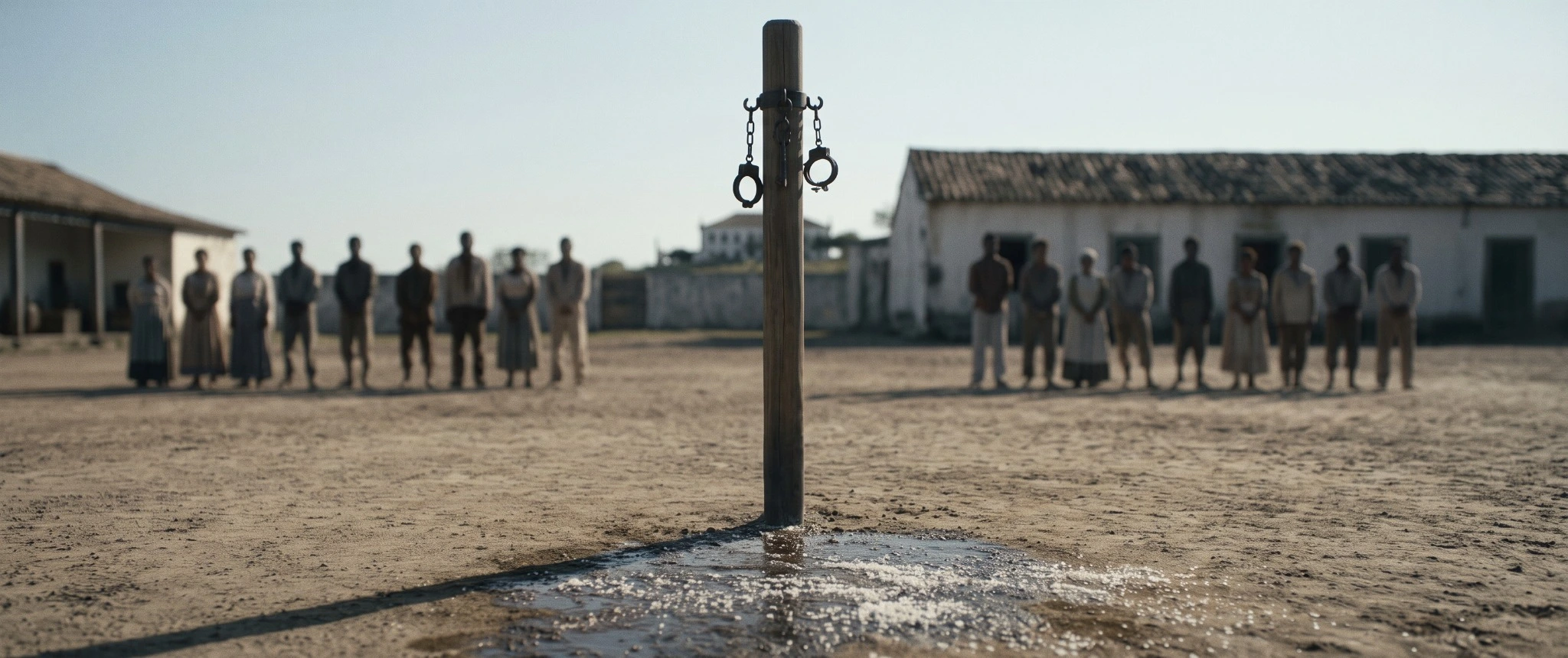
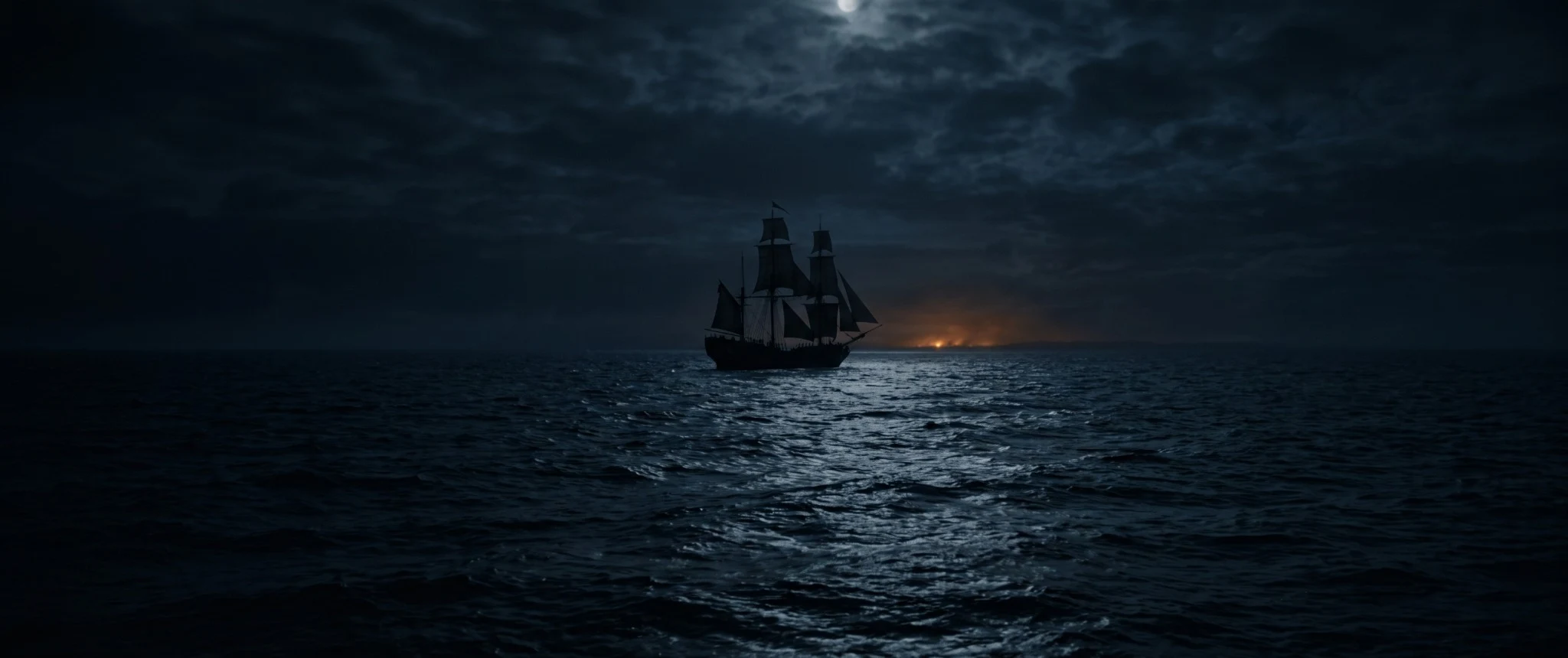 01 · The KalungaThe crossingThe sea cannot erase a people.Distinct nations. Different languages. Lives that began long before the ships.Explore this place +Close this story −
Before the crossing, there are homes: fields tended, iron worked, markets alive with voices, children held close. Each person carries a world of knowledge and belonging.
The ocean tears them from those places. It cannot make their lives begin in captivity. In the novel, memory travels with them: a healing practice, a rhythm, a word, the knowledge of who they were.
View the full image ↗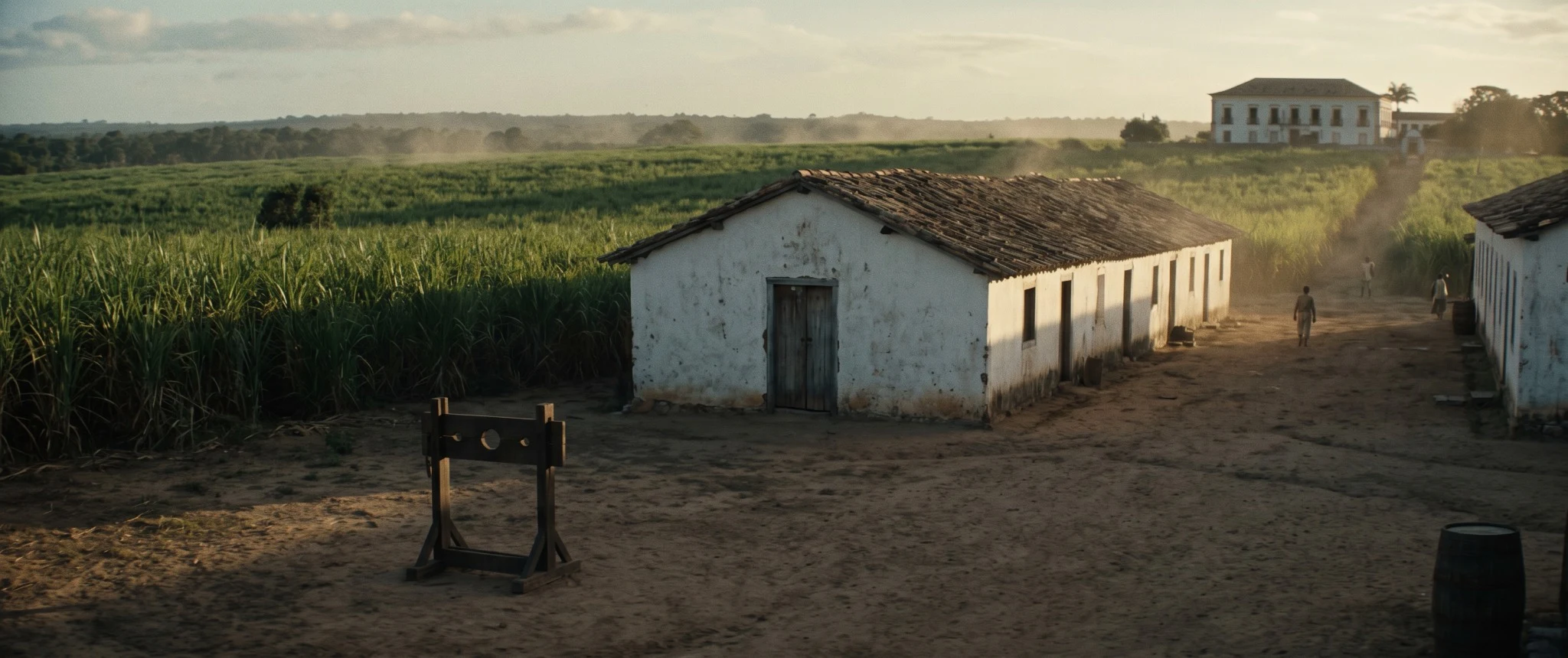 02 · BrazilThe living worldWhat survives becomes resistance.In the ordinary acts of living, a people keep hold of themselves.Explore this place +Close this story −
A cooking-fire. A song. The tenderness of braiding a child’s hair. Love, skill and community endure within a system built to sever them.
Resistance changes its form: knowledge passed quietly between generations, the fighting-dance held inside a game, a woman teaching herself to read. Joy has its place here too. Every act of care carries something forward.
View the full image ↗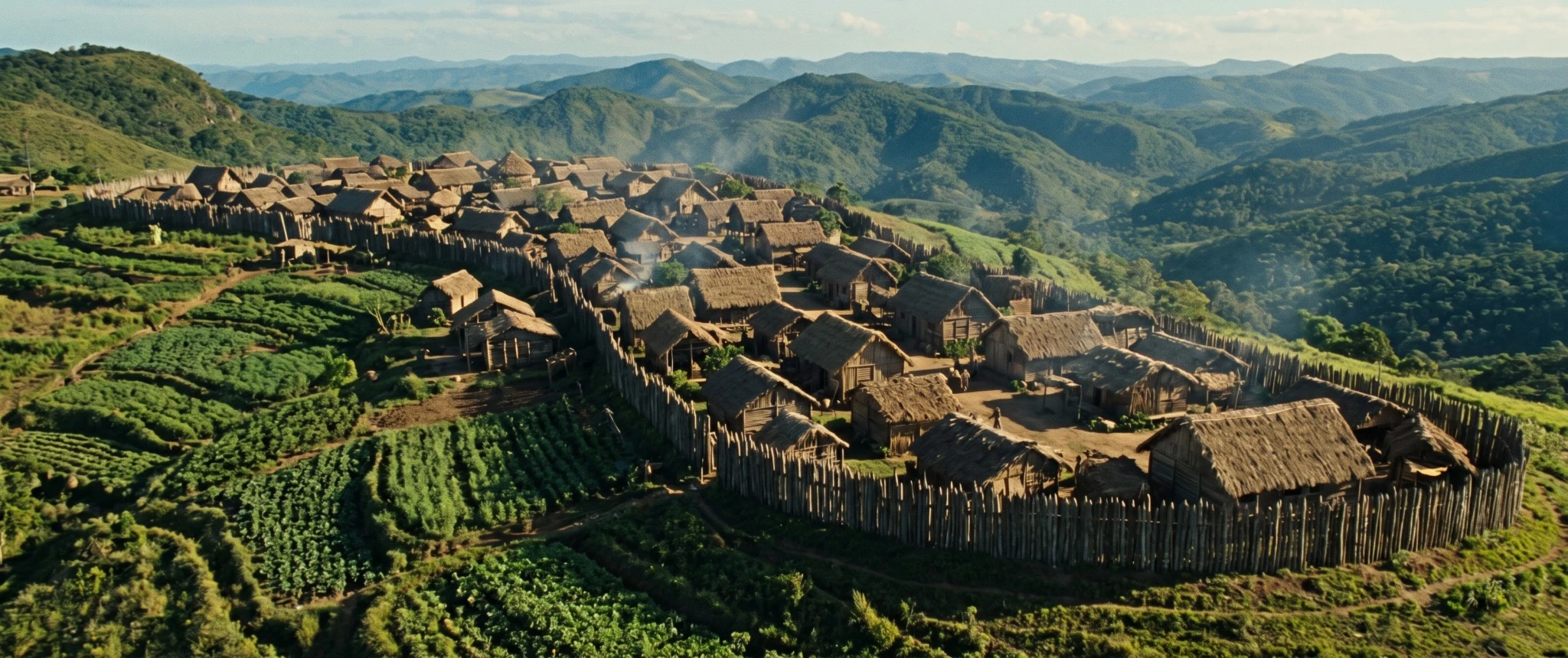 03 · Little AngolaPalmaresFreedom has a place.In the forest, a kingdom of the free rises—and refuses to kneel.Explore this place +Close this story −
Palmares gives resistance a home. Here, the struggle is also to build: a community, a future, a place where belonging can take root again.
Aqualtune, Dandara and Zumbi stand within this part of the novel’s world. Their courage lives alongside the difficult choices of defending freedom. Beyond every rupture, Aruanda still calls its children home.
View the full image ↗The lives at the heart of the story
A voice that stops a room. A woman who teaches herself to read within the empire, and whose song reaches beyond her lifetime.
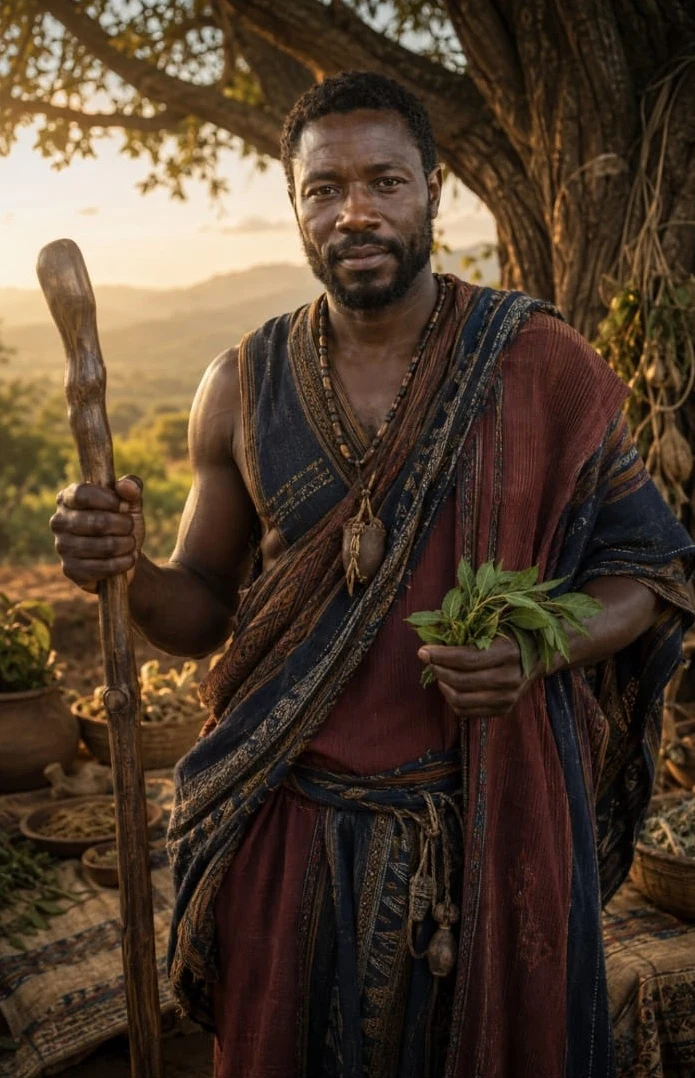
An Angolan farmer and healer, whose instinct to protect someone weaker brings him back to himself.
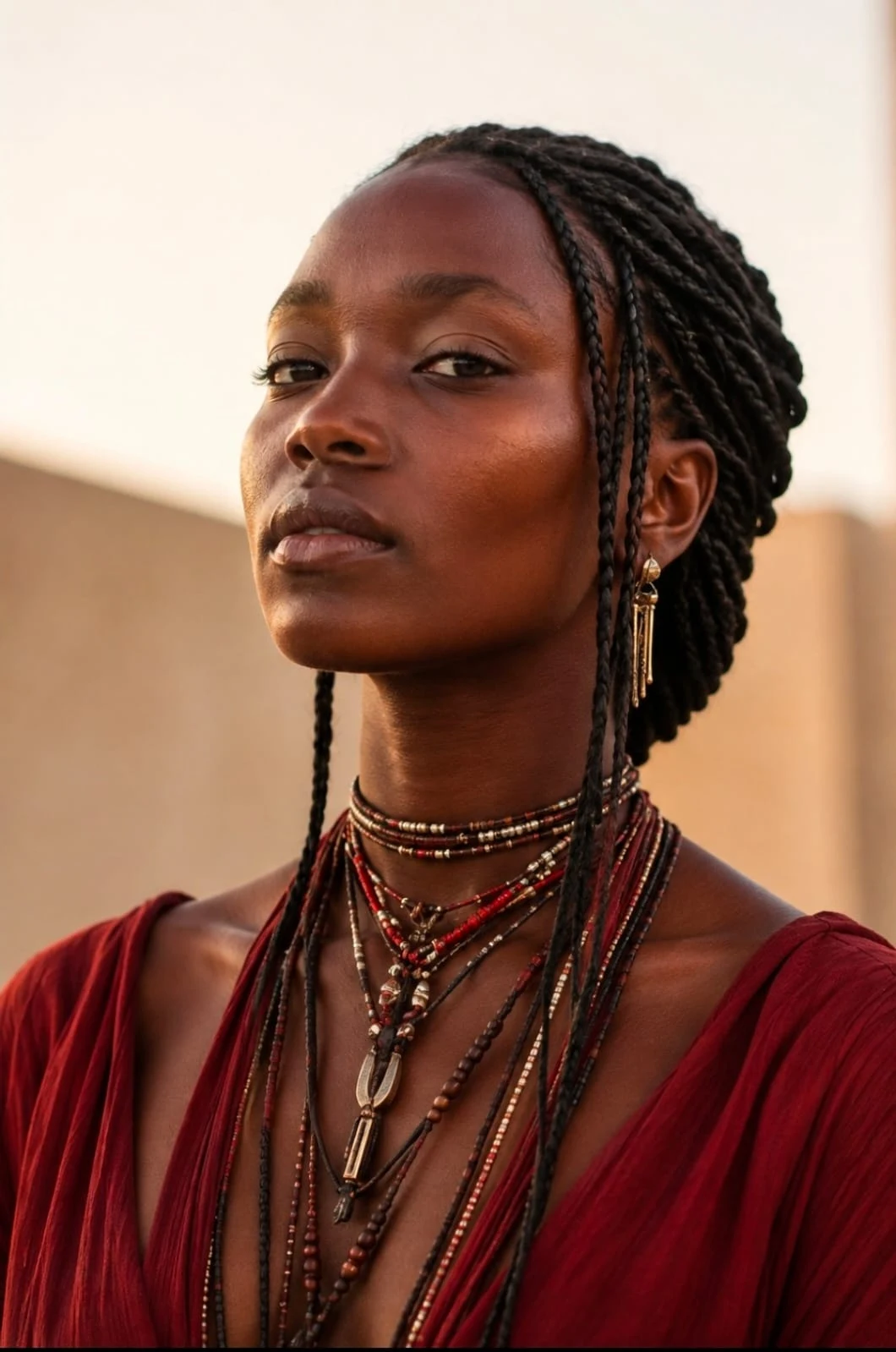
A captured woman of standing who vows to be counted—and turns the ritual of pouring coffee into an act of resistance.
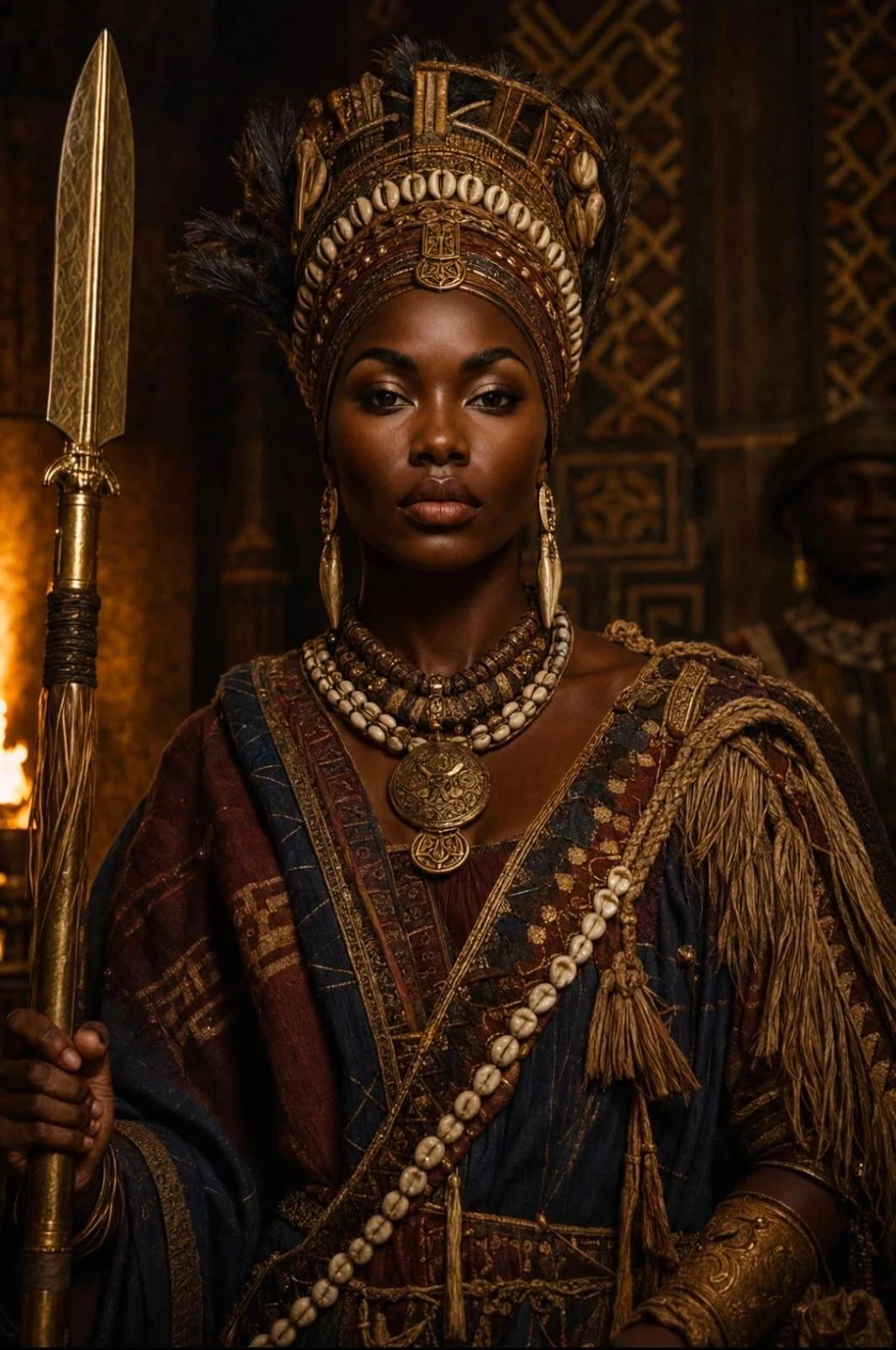
A Kongo princess carrying memory, strength and the resolve to forge a free kingdom.
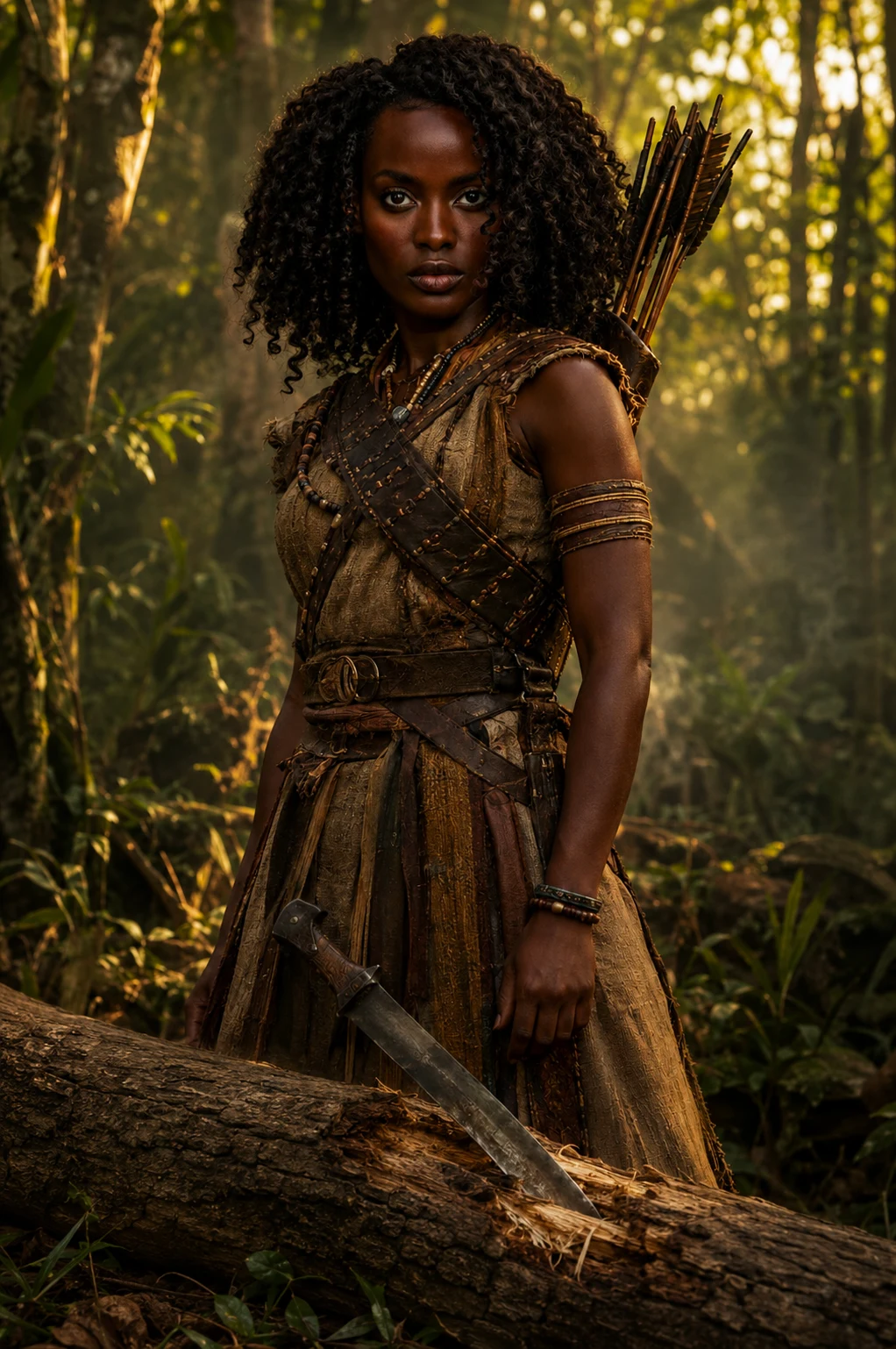
A warrior of Palmares, standing within the struggle to build and defend freedom.
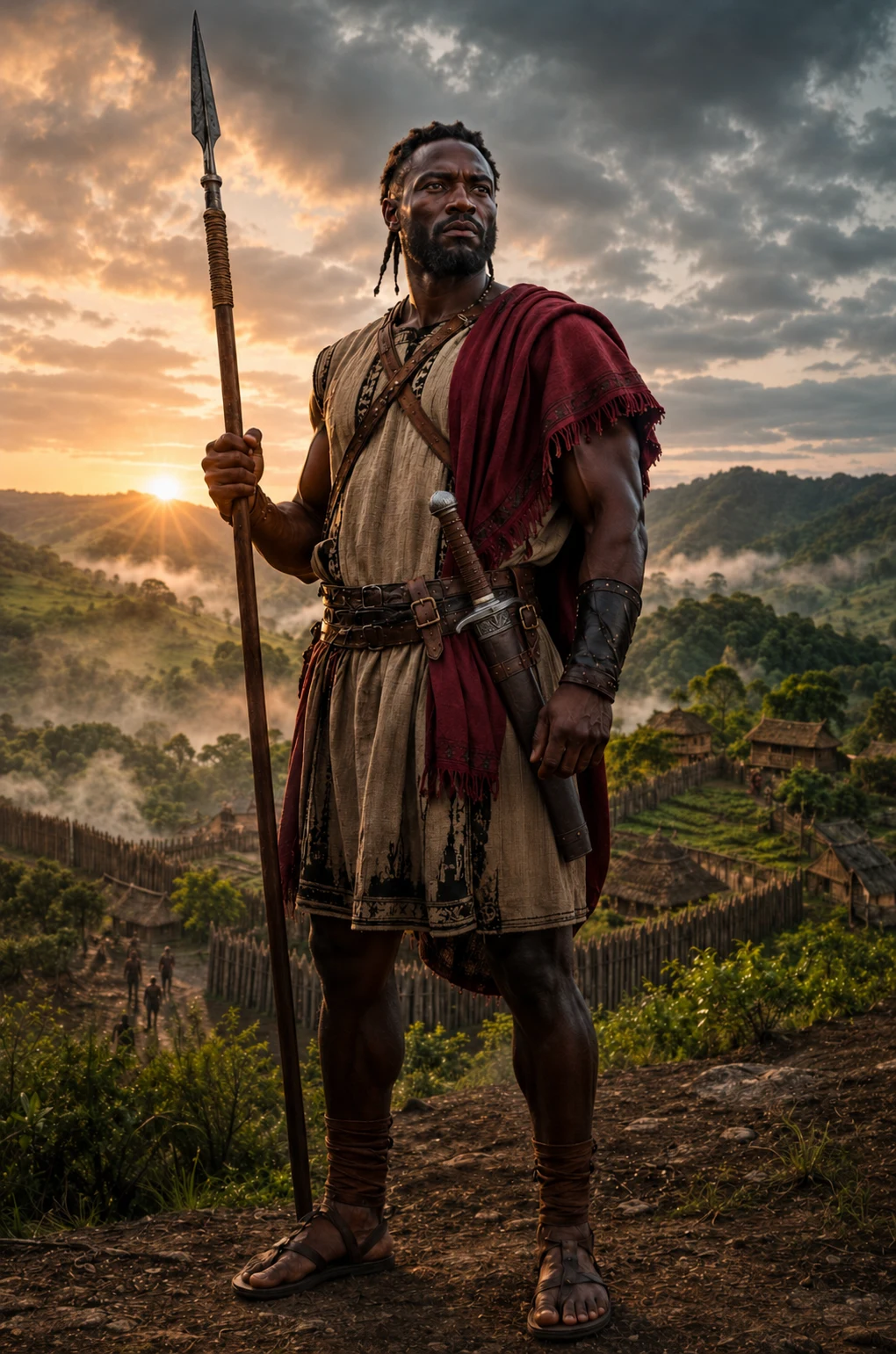
Magnificent and flawed. A king who will not kneel, and a child of the homeland that never lets him go.
Aruanda
Drawn from the living faiths of the diaspora, Candomblé and Umbanda, Aruanda calls its children home unconditionally. It does not judge. It does not forgive, because it was never angry. It simply calls them home, in many voices.
The official trailer
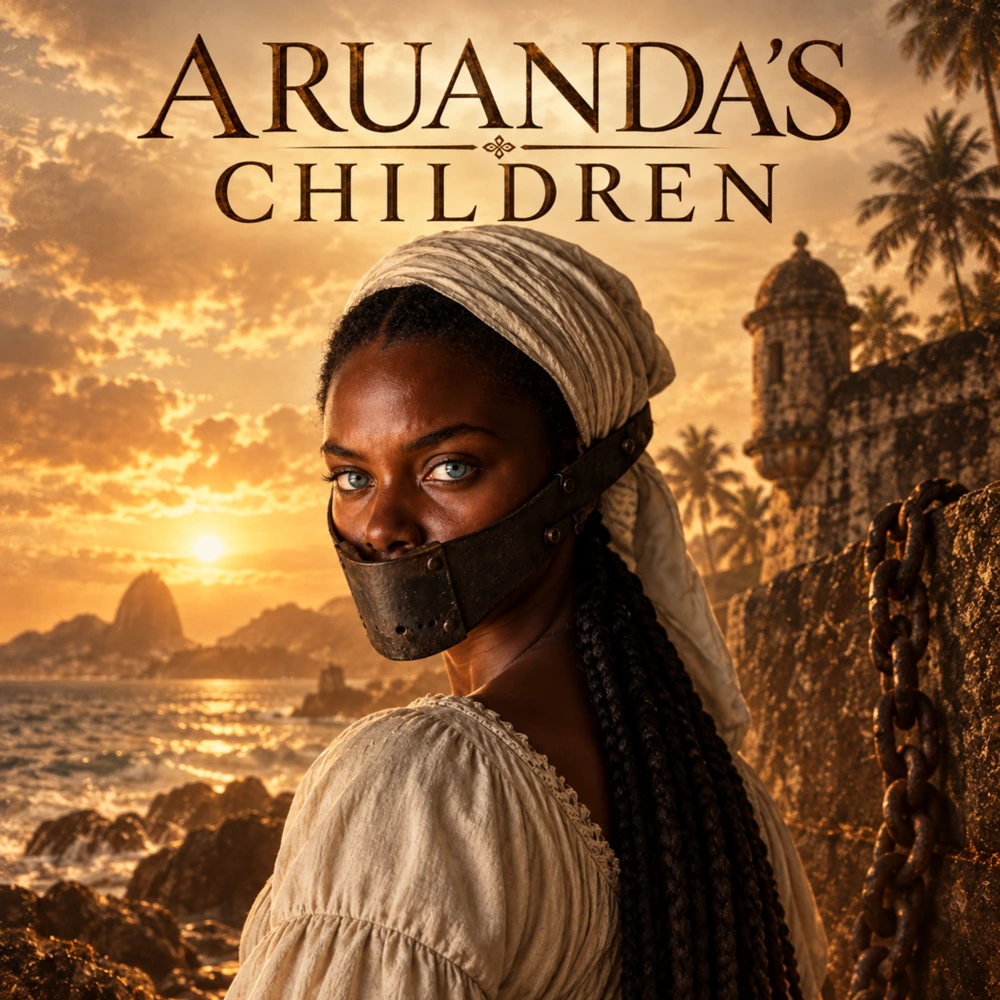
The multilingual companion album
Music carries what words alone cannot. Explore the released companion album: many languages, one thread of memory and belonging.
Companion music · Tuned to A = 432 Hz
Listen · 0:50 album preview
Written by Elisângela Bearigo
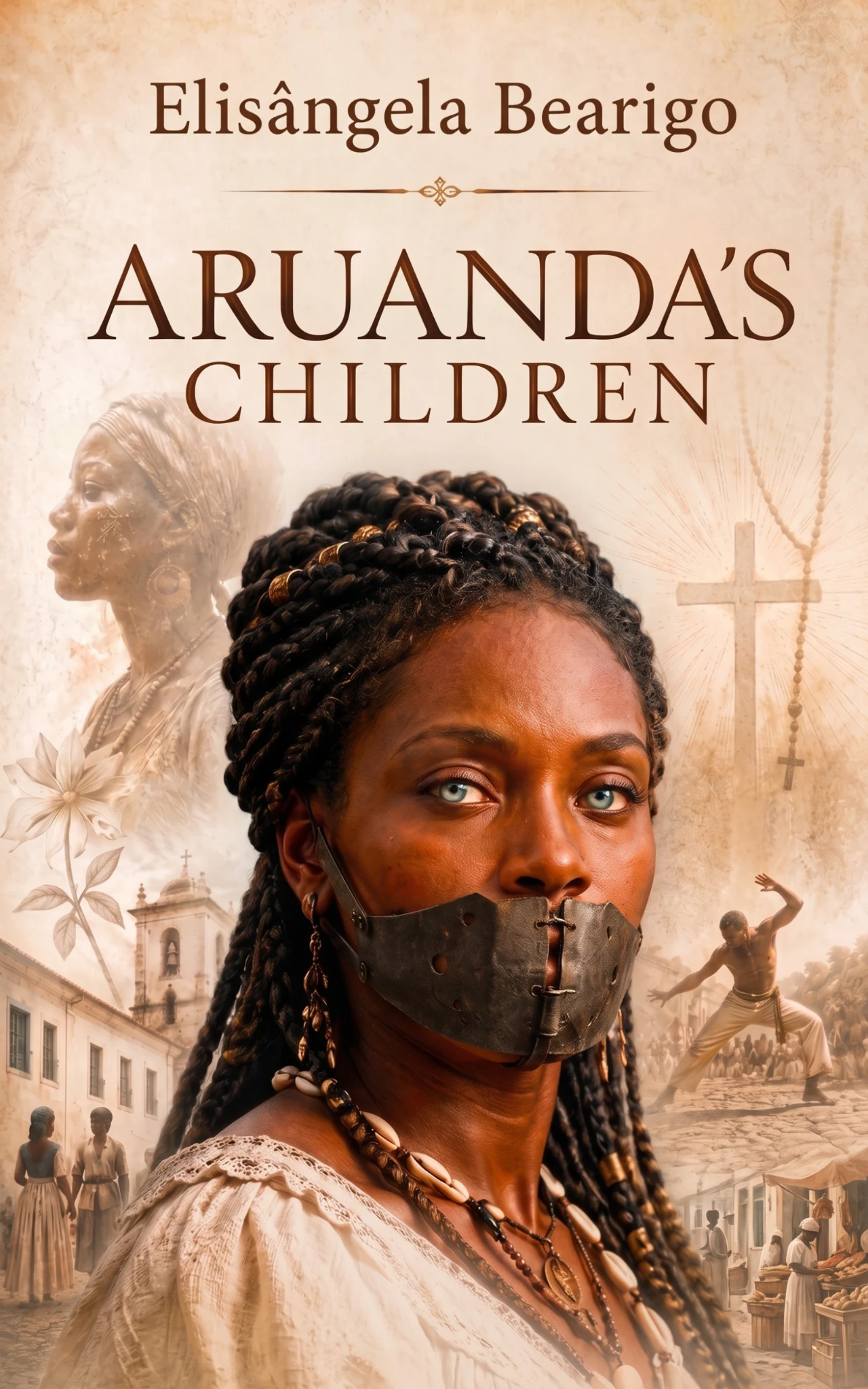
Complete English ebook · EPUB download
€4.49Buy ebook · €4.49English paperback · Amazon.com (US)
$14.99Buy paperback · $14.99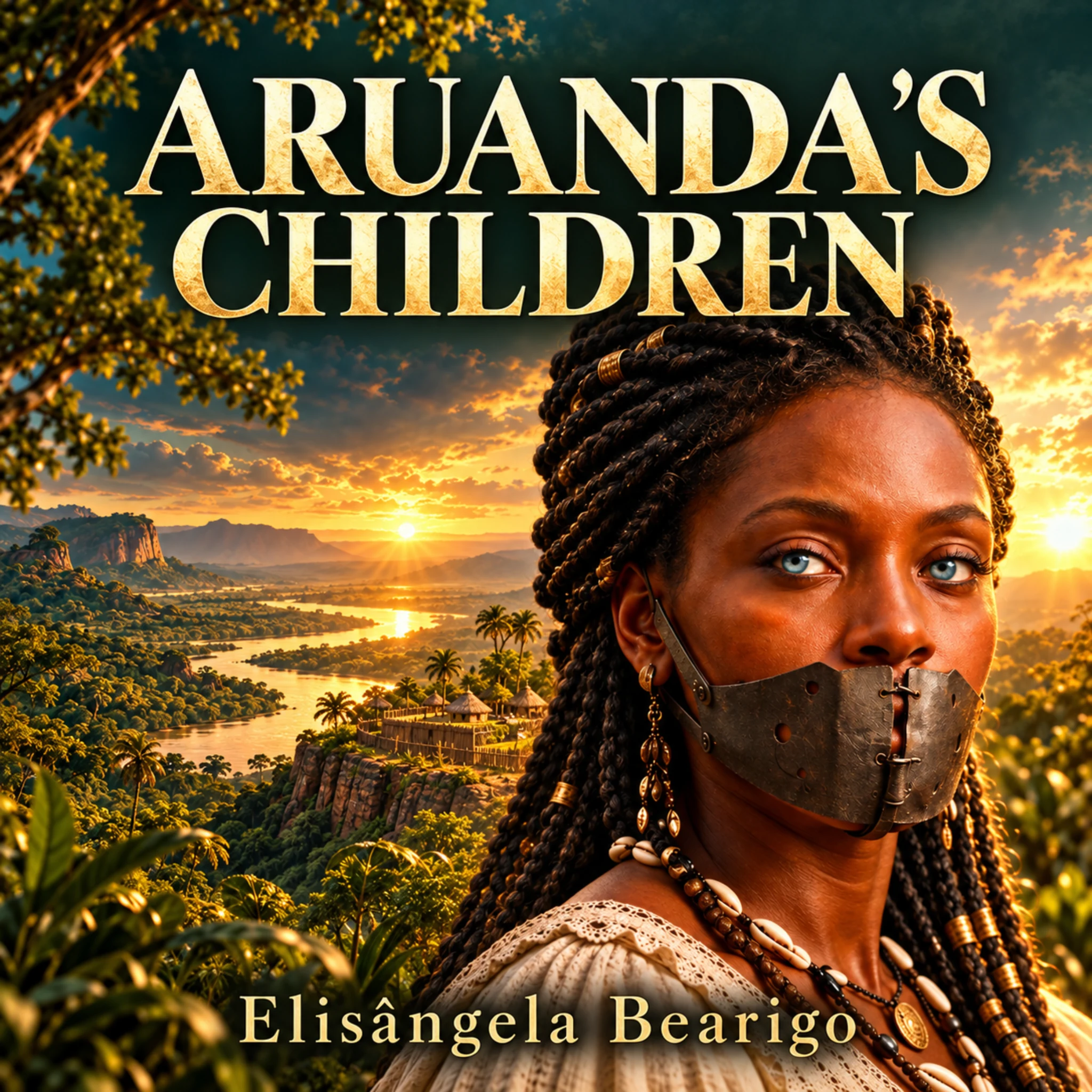
Complete English audiobook · M4B download
€14.99Buy audiobook · €14.99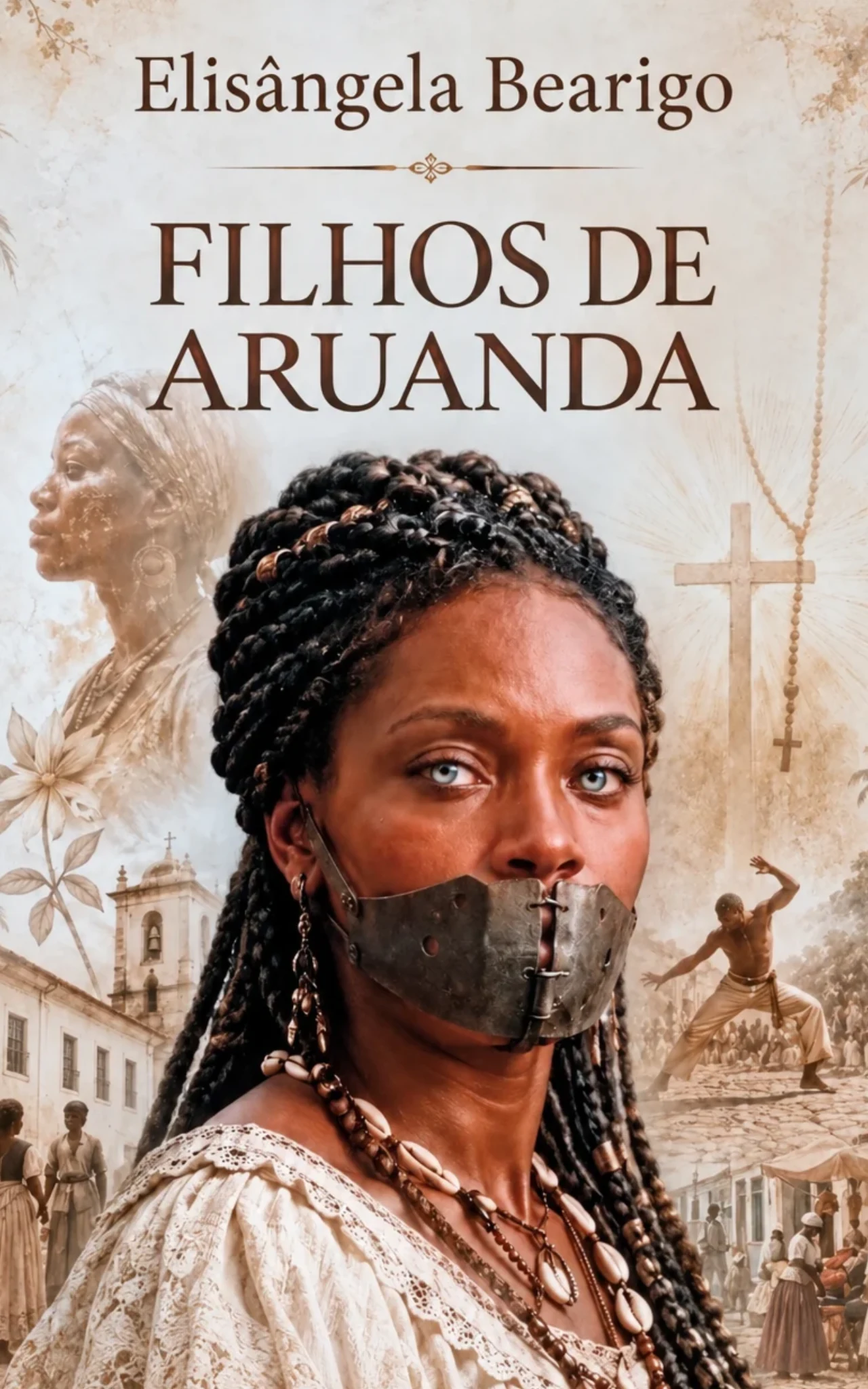
Ebook completo em português brasileiro · EPUB
€4.49Comprar ebook · €4.49Livro impresso · Português brasileiro · Amazon.com (US)
$14.99Comprar livro impresso · $14.99Audiolivro em breve.
On the page · Chapter One
Meet Baim on an ordinary morning: a free man, in a free country, with a life that is whole.
Read Chapter One ↗English reading sample · By Elisângela Bearigo
Brazilian Portuguese reading sample to follow.
In your headphones · Chapter One
The Ordinary Morning · English audio · 5:29
A little background before the story. Listen here, or go straight to Chapter One.
English audio · 4 minutes 18 seconds
The Brazilian Portuguese audiobook is forthcoming.
From page to screen
A television adaptation of Aruanda’s Children is in development through Bearigo Studios.
The first-episode screenplay and WGA-registered development materials are available to producers, representatives and creative partners on request.
Request adaptation materials